"The Worker must work for the glory of [God and] his handiwork, not simply for pay; the thinker for truth, not fame."
-W.E.B. Du Bois (Personal Adaptation)
Dr. Morris
Interdisciplinary Historian | Professor | Pastor


Black Popular Culture & Heritage: A History
This course bridges cultural history and critical sociology to reframe popular culture and is designed for advanced undergraduates, graduate students, faculty, and community collaborators. Rather than treating media as passive entertainment, we read historical commercial artifacts as primary evidence of urbanization, institutional change, and battlegrounds where narratives of Black humanity, citizenship, and power have been defined, distorted, and contested from industrialization to the digital age. The curriculum equips students with critical historiographical tools for active democratic citizenship.
Does Black Popular Culture Emerge From or For the Community?
This central question is the core focus of the course. It asks students to look closely at the tension between social structures and creative freedom. By bringing together historical research and electronic media, the lab examines how Black expressive culture works not only as a global product, but also as a vital record of community and the shifting social, cultural, and political landscapes of Black life.
Course Units
Hands-on units showcasing a pedagogy that bridges history, theory and practice.

Theoretical Toolkit
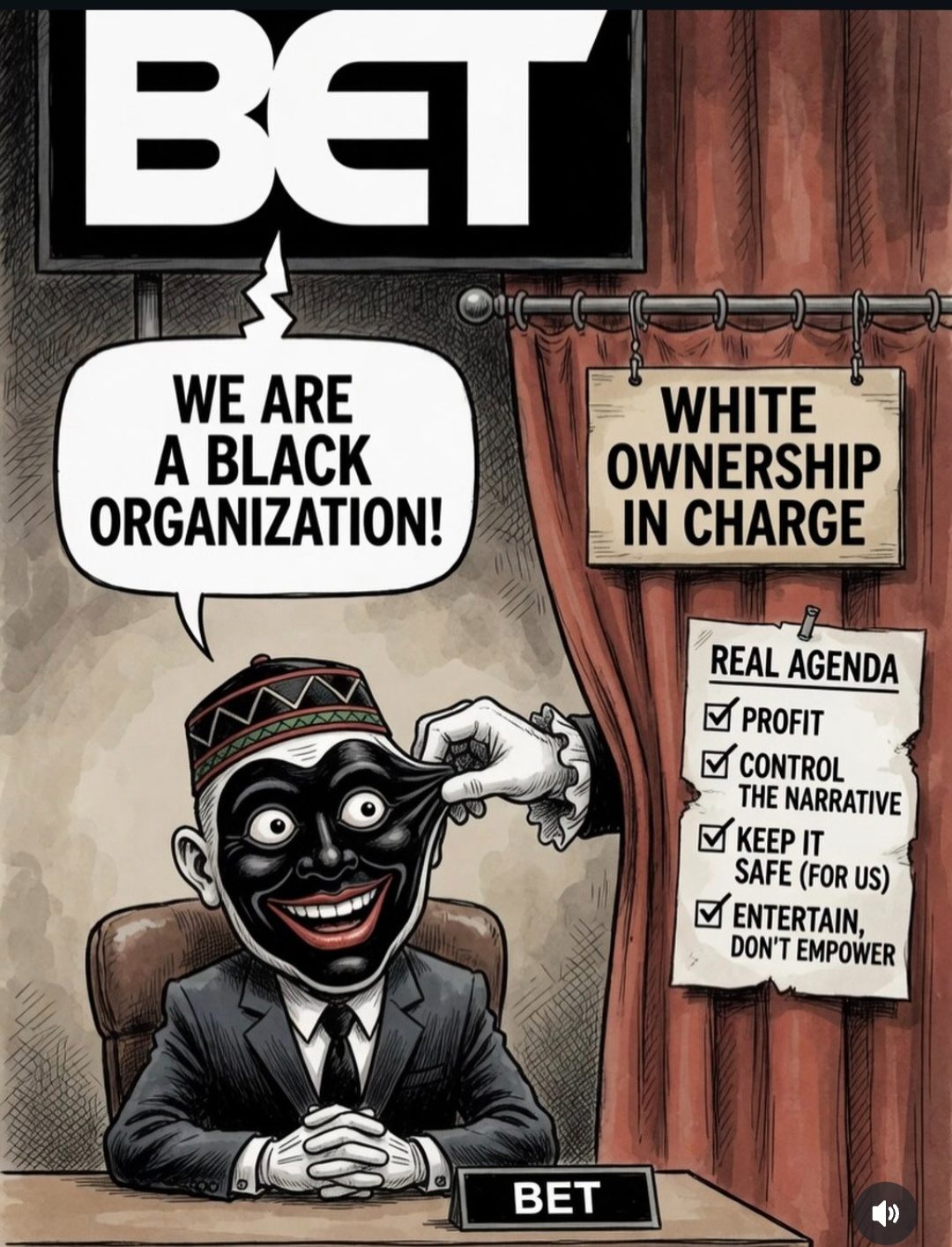
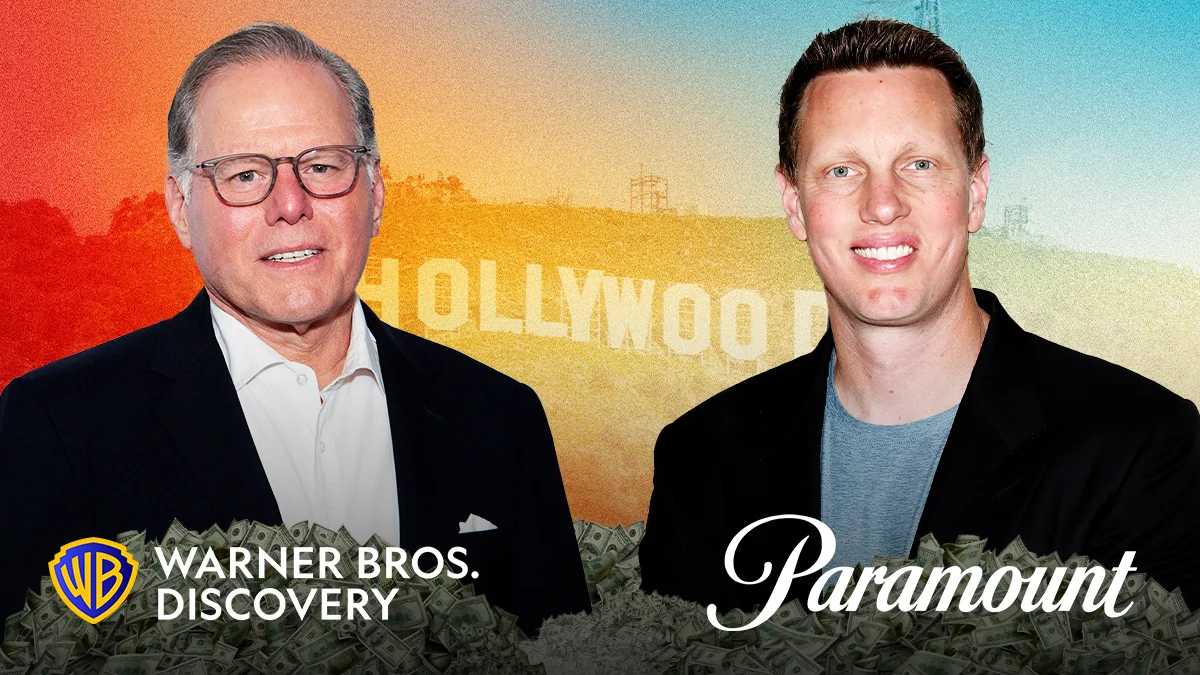
In this unit during opening weeks of the seminar, we dive into how historians, social theorists and philosophers of history think about the past. Together, we look at how popular culture, ideology, and heritage are defined, exploring how stories about identity, representation, and power have been shaped by dominant corporate values. By examining the real-world impact of these corporate narratives on the health of democracy, students uncover the power dynamics at play and create their own working definitions, unique interpretive metaphors, and critical lens to guide their research.

Early Black archives & Culture industry
Having built your “Theoretical Toolkit” in Unit 1, this module plunges into late 19th‑ and early 20th‑century Black popular culture—vaudeville, sheet music, print, and “Race Records.” We situate this work within the seismic shocks of the turn of the 20th century, when new industrial technologies and a shift from inner “character” to mass‑mediated “personality” reshaped American society. Students investigate how Black culture survived within and against an emerging culture industry, how corporate interests and media consolidation shaped what was produced and circulated, and how collectors and librarians organized these materials into archives to protect them from erasure. We also examine intra‑racial conflicts over cultural authority and respectability—between the Black church, racial uplift projects, and working‑class blues culture—and how these struggles shaped what counted as “legitimate” Black art. You’ll use your theoretical tools to analyze these sources and trace the struggle between top‑down control and bottom‑up Black creative agency.

Modern Celebrity Culture & Film
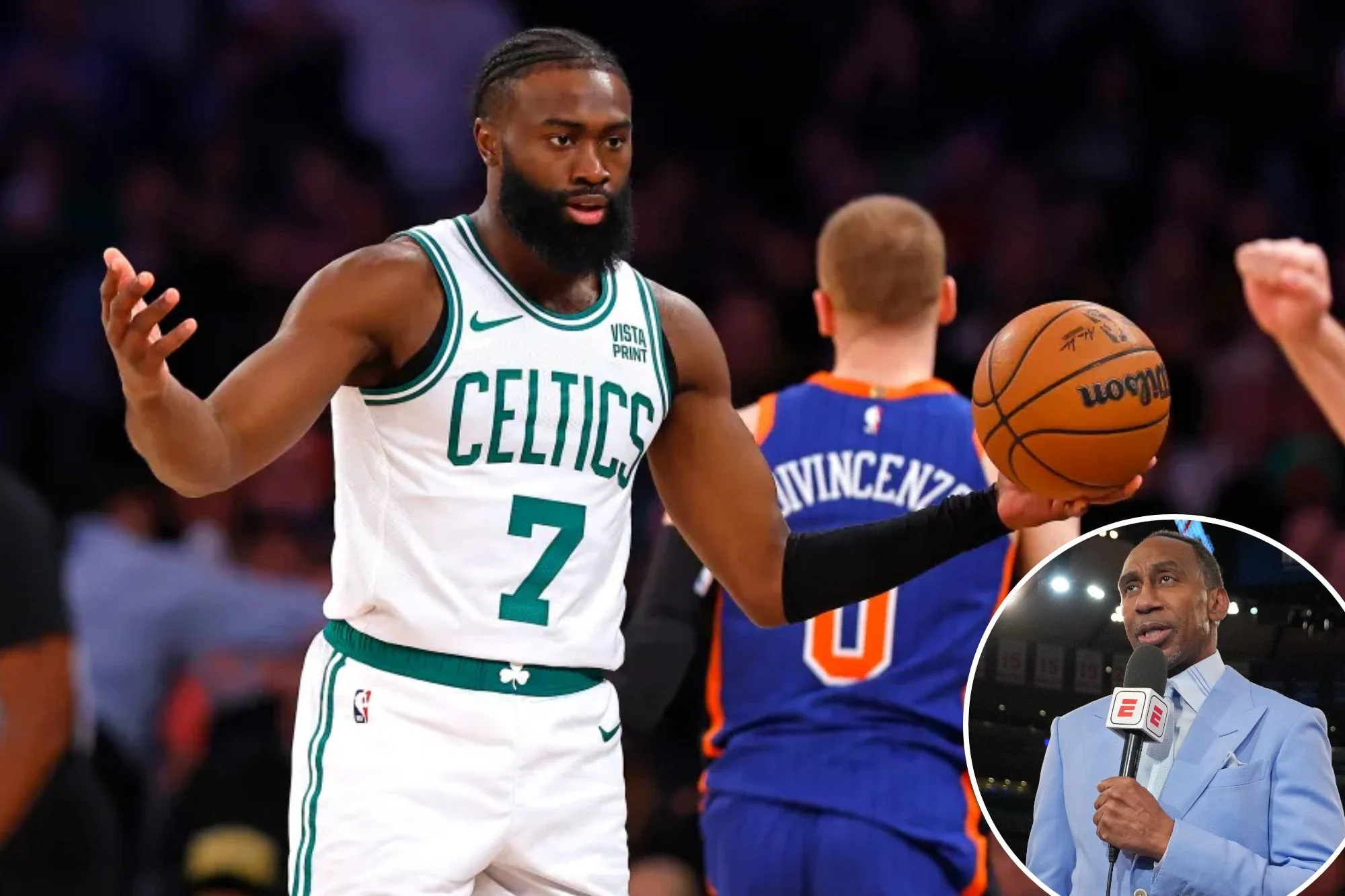
This unit traces Black cultural expression from mid‑century crossover film stars through the radical but commodified Blaxploitation era and into the age of global mega‑celebrities. While film is our primary lens, students also consider sports and music celebrity cultures. They analyze iconic works, media consolidation, and the politics of visibility and representation to ask whether the rise of Black superstars represents an authentic reclamation of narrative power or the corporate commodification of Black identity in popular culture.

Social Media, Algorithms & Afrofuturism
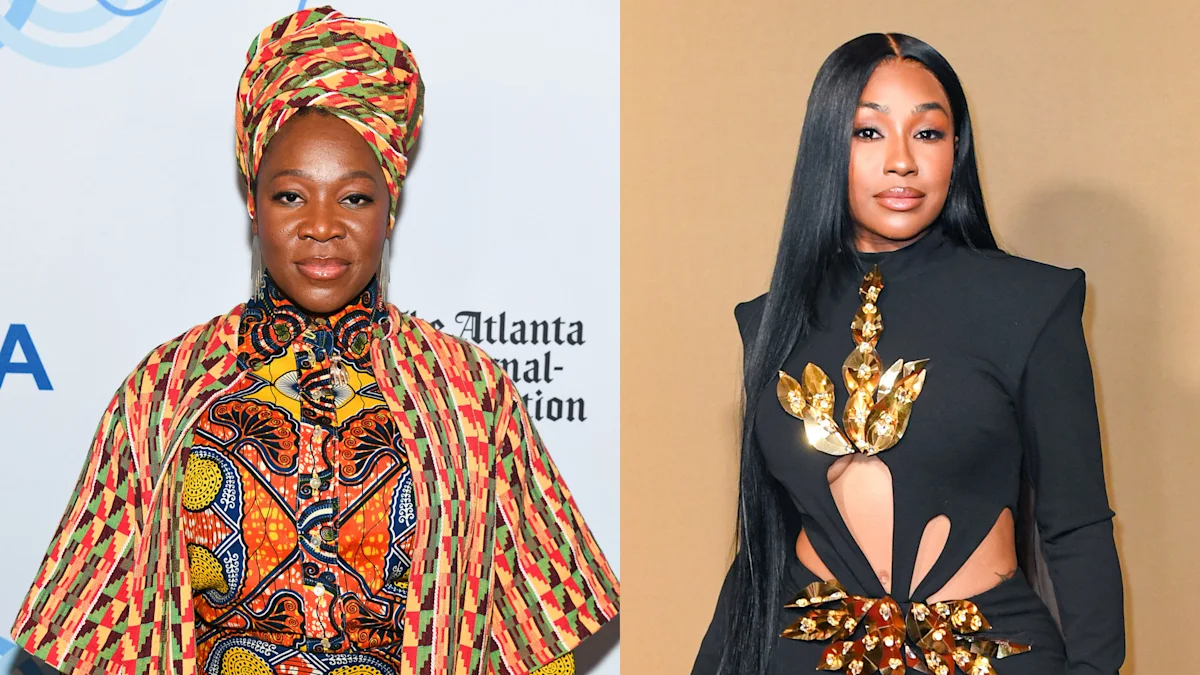
Social Media, Algorithms & Afrofuturism brings our journey into the digital present and speculative future. Building on our critiques of media consolidation and celebrity culture, this unit examines how corporate tech monopolies, search engines, and social media algorithms extract, regulate, and profit from Black digital labor and online stardom—especially through the digital deployment of misogynoir. Returning to our guiding question, “Is popular culture for the people, or by the people?”, students use their full theoretical toolkit to investigate how Black creators and digital feminists navigate “white-stream” technologies, weighing both the constraints of algorithmic control and the uncertain possibilities opened up by digital infrapolitics and Afrofuturist experiments.
Access the Syllabus
A sample syllabus overview, including week-by-week themes and core questions, is available for review by institutional partners and colleagues upon request. Full course materials are reserved for enrolled Spelman College students.