"The Worker must work for the glory of [God and] his handiwork, not simply for pay; the thinker for truth, not fame."
-W.E.B. Du Bois (Personal Adaptation)
Dr. Morris
Interdisciplinary Historian | Professor | Pastor
Dissertation Overview
His Master's Voice: A Cultural History of Religious Race Records 1897-1933
Abstract
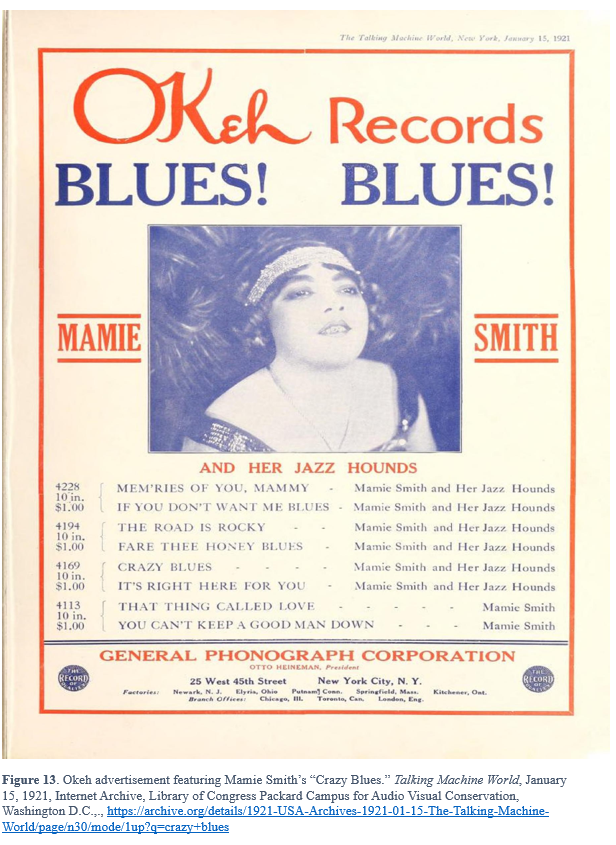
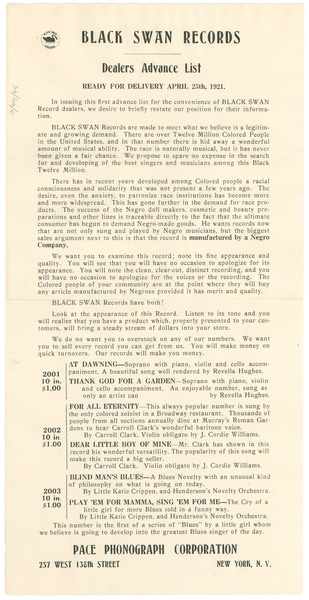
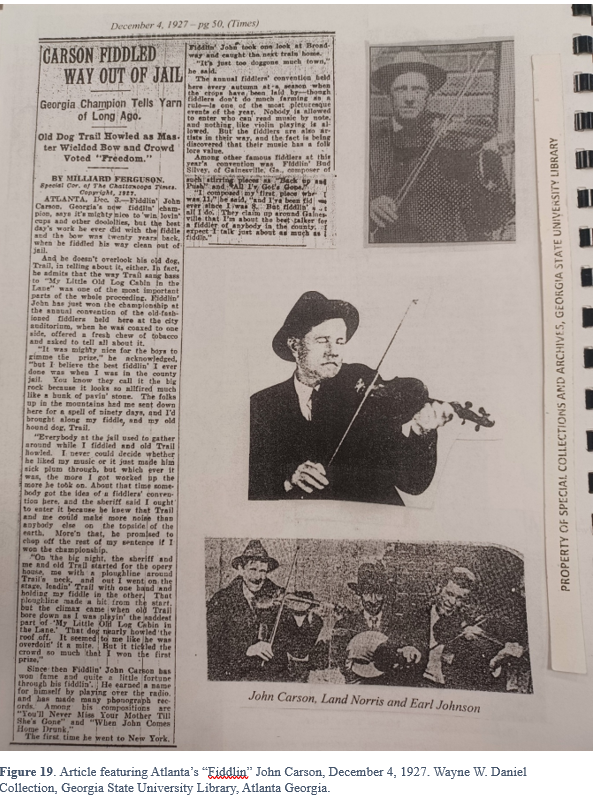
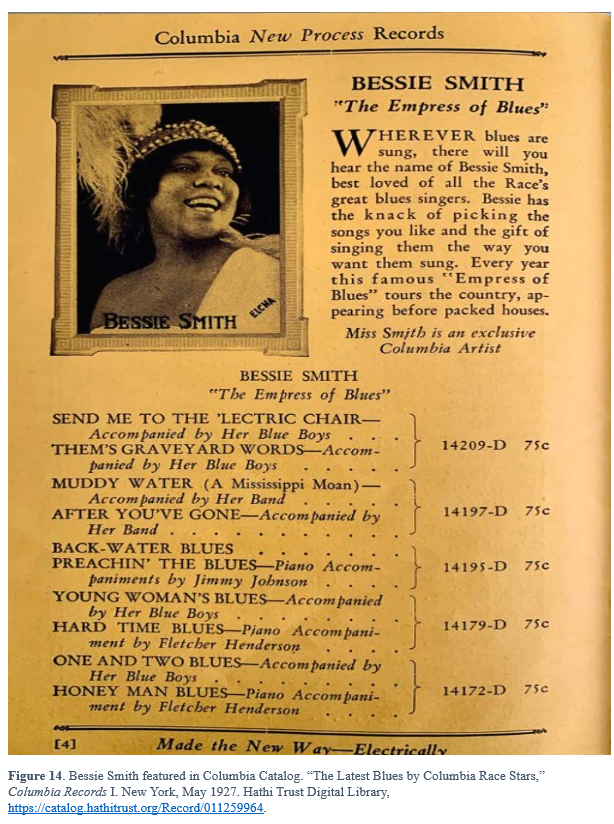
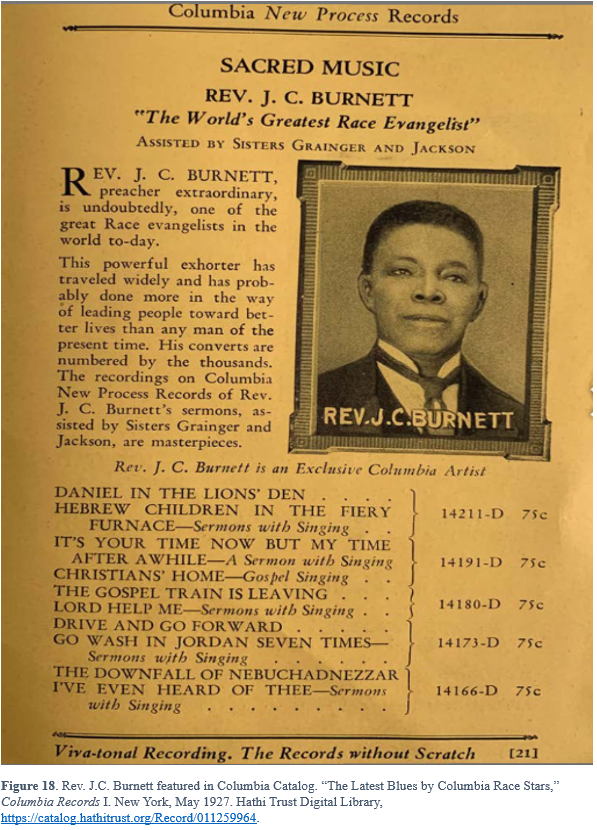
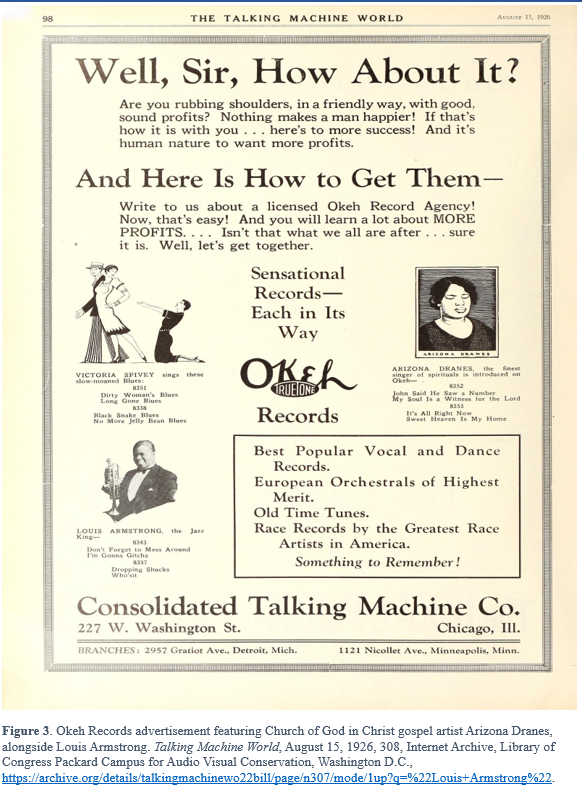
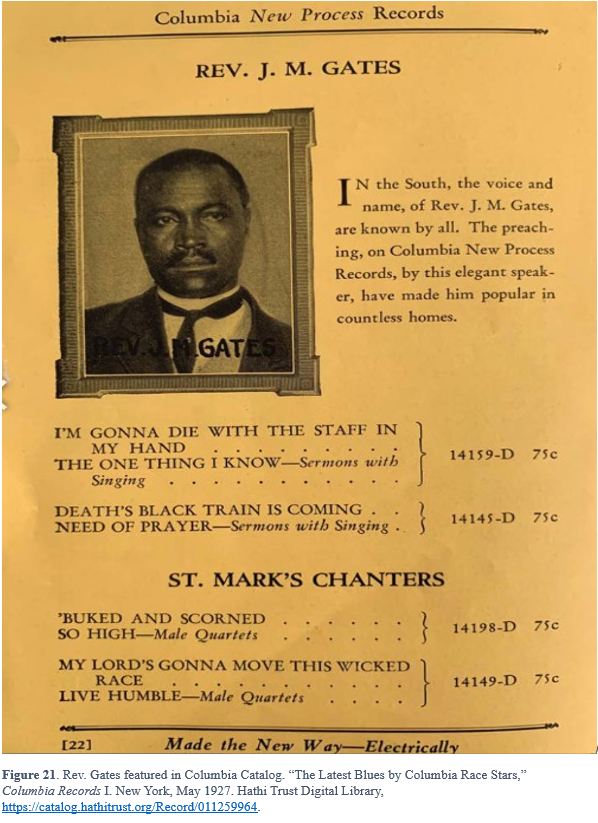
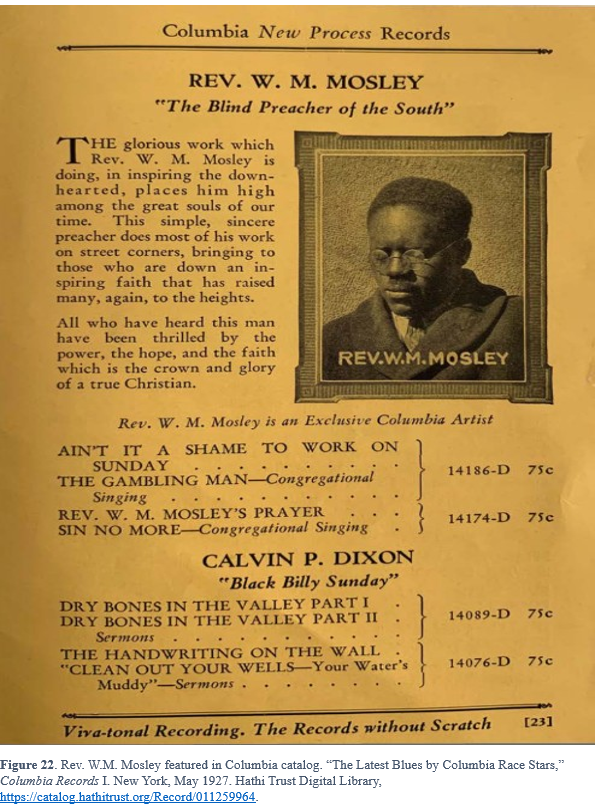
This study explores the historical significance of the interfaces between Black religion, and media-based popular culture from 1920 until 1933 by examining religious race records. Although a noteworthy aspect of Afro-American cultural life during the early twentieth century, the contributions to Black culture of the numerous Gospel recordings by preachers, singing evangelists, and Gospel quartets during the period have gone underexplored. Not purely evangelistic, these novel religious commodities were the products of record companies trying to find their niche and remain profitable in an ever-competitive sound recording market. In turn, this brought income and celebrity to pioneering preachers such as Reverends J.C. Burnett, J.M. Gates, W.M. Mosley and F.W. McGee, and their gospel recordings provide insights into the ethos of the historical context in which they emerged. This dissertation analyzes the race records industry through the careers of these exemplars utilizing the interactive framework pioneered by a few leading cultural historians that avoids rigid determinism. Rather, it accounts for how both material conditions and human subjectivity shaped their creative expressions and audience reception. Drawing on (1) social conflict theory from the perspective of Antonio Gramsci’s concept of hegemony; (2) the semiotic technique developed by French philosopher Roland Barthes; (3) data gathered from relevant scholarly literature; and (4) original sources from archival research—this dissertation asserts that religious race records were neither popular culture for the people nor culture purely from the people. Instead, they were a constantly-shifting site of ideological struggle that represented negotiations and nuanced power relations between artists and producers and class debates within Afro-Protestantism over cultural authority within the Black Church. These modern religious commodities that separated the sounds of Black religious culture from their visual point of reference, were nothing less than transformative. In the process , providing a new cultural reference point for cultural authority, communication, and shared meaning that shaped Black religious culture into the future.

Behind the Archival Lens
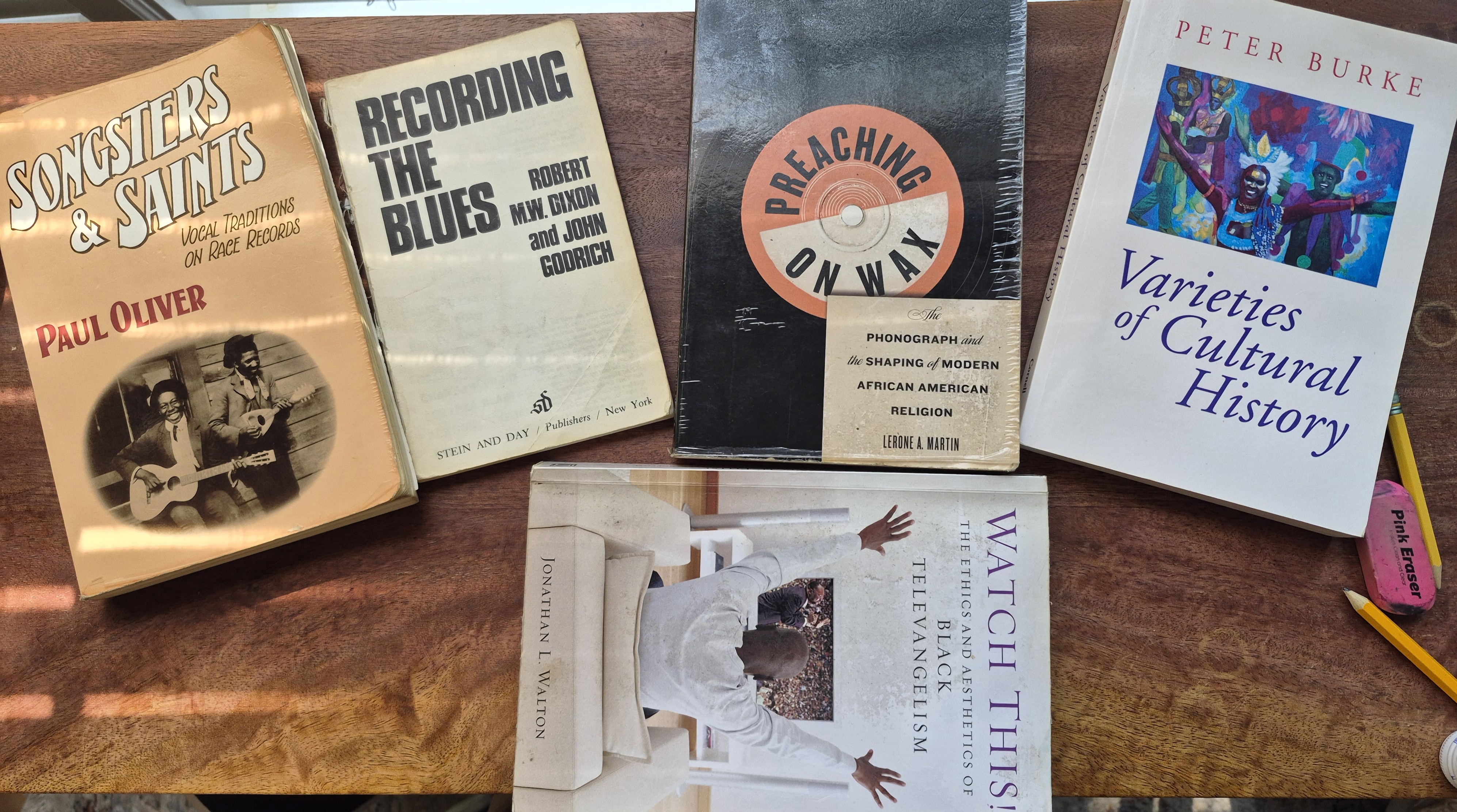
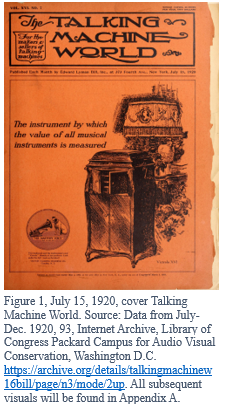
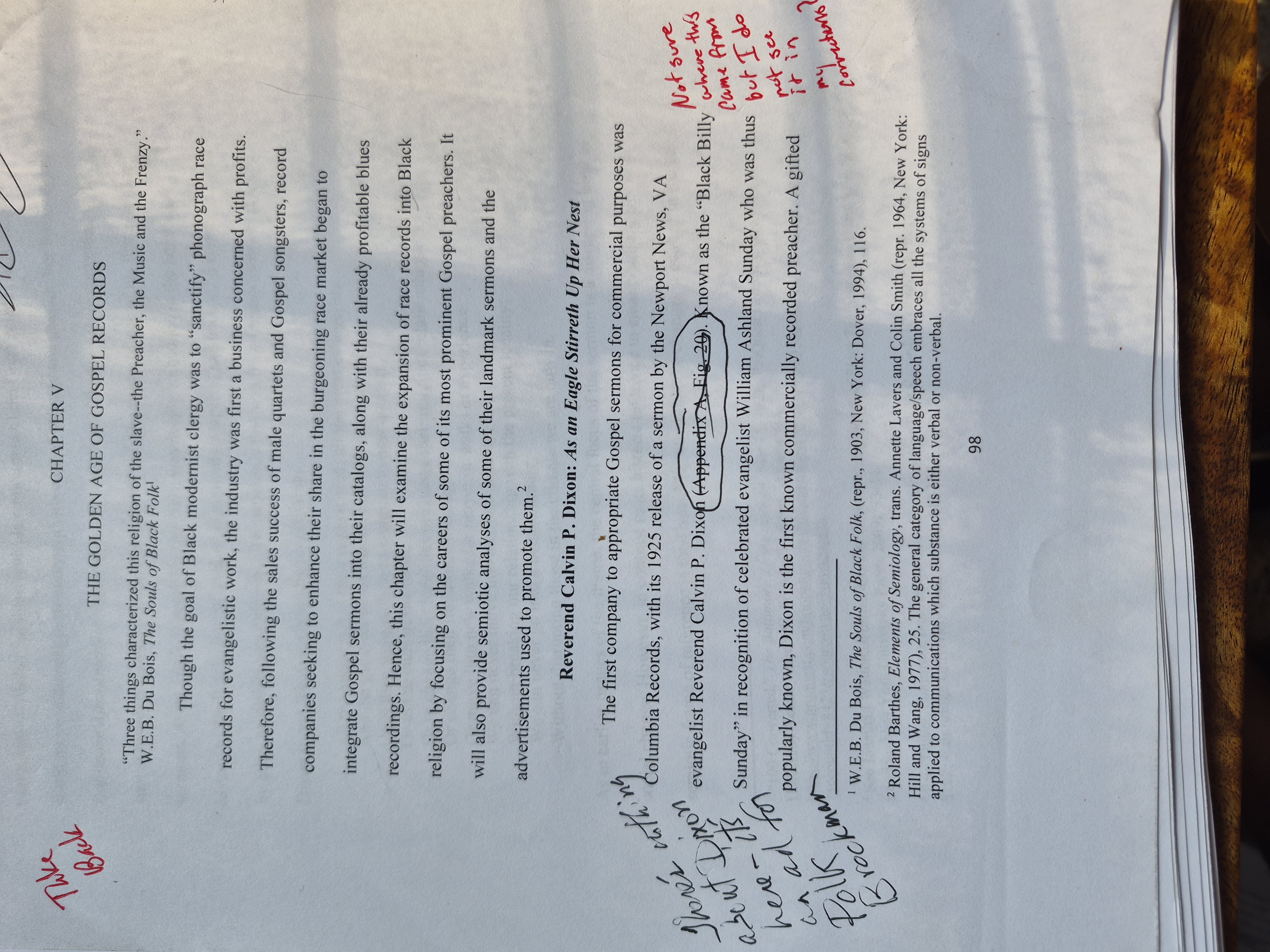
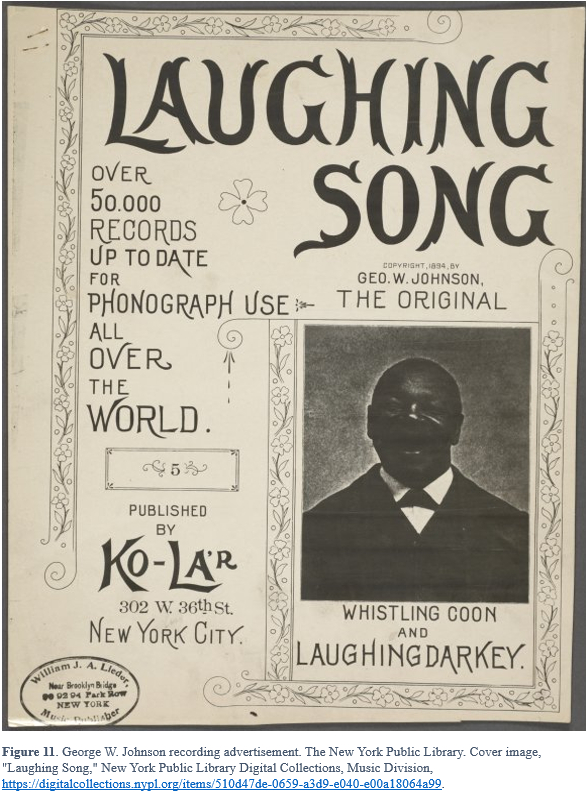
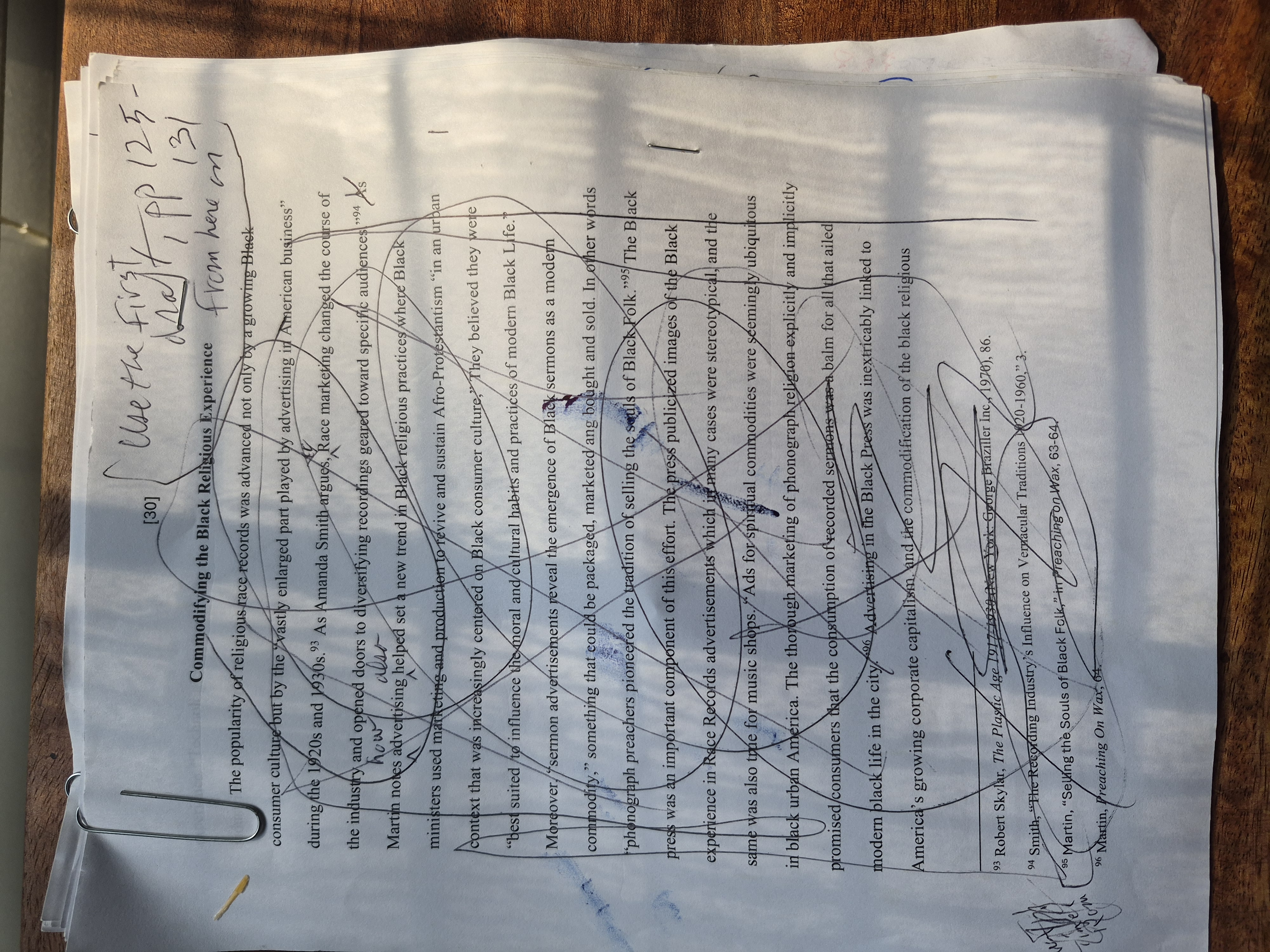
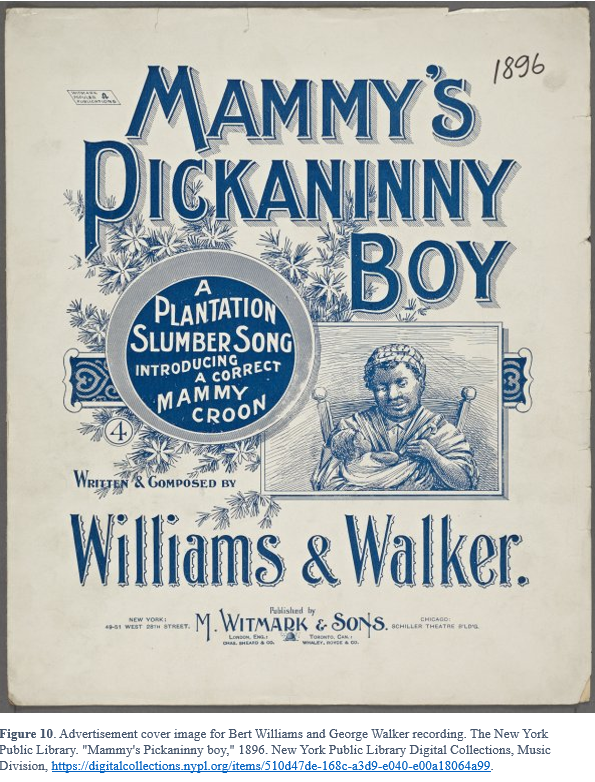
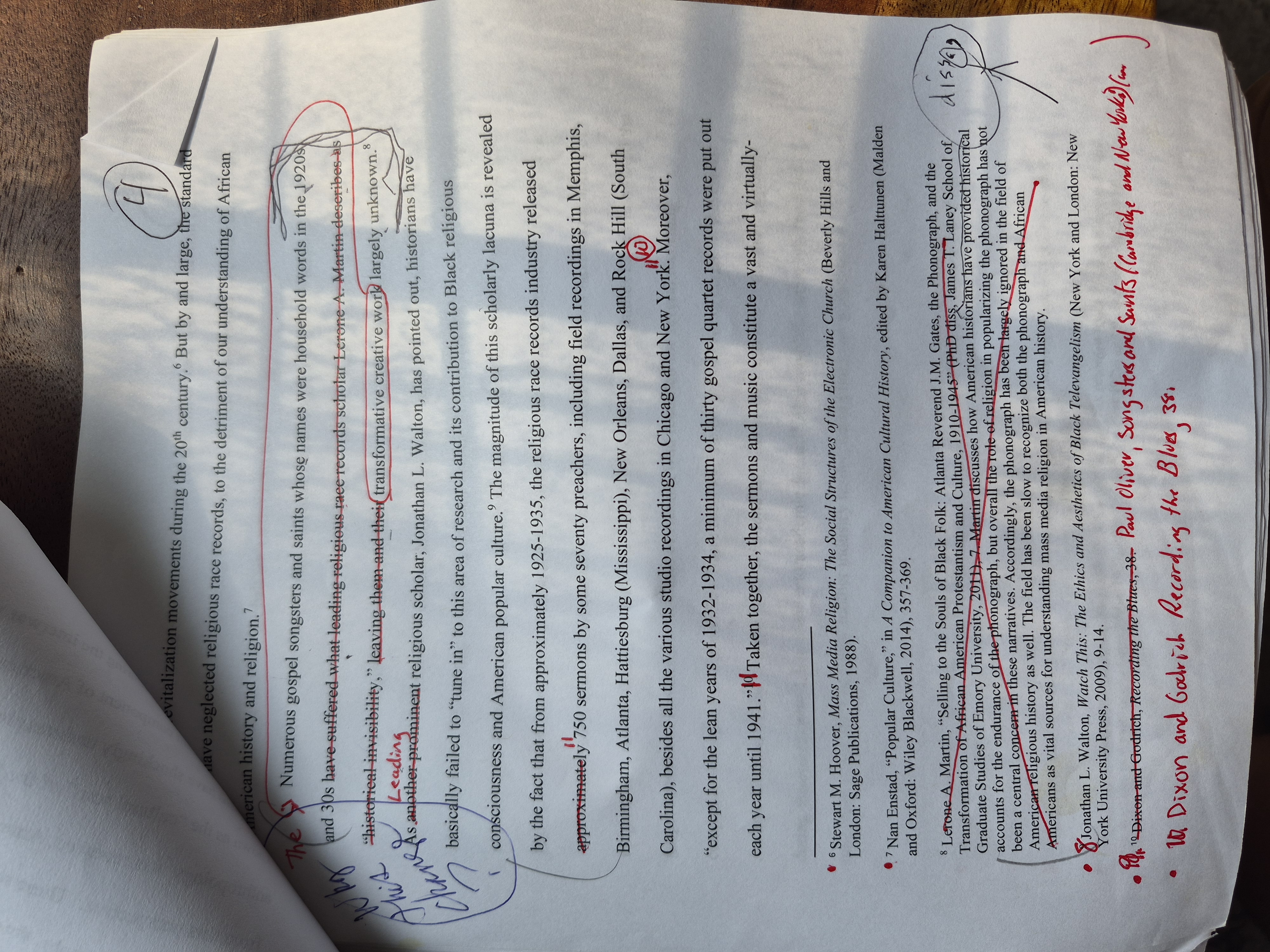
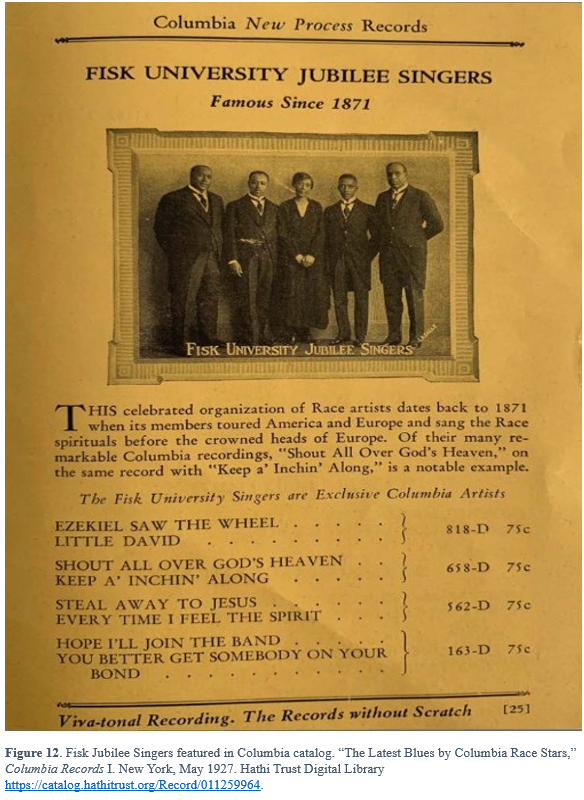
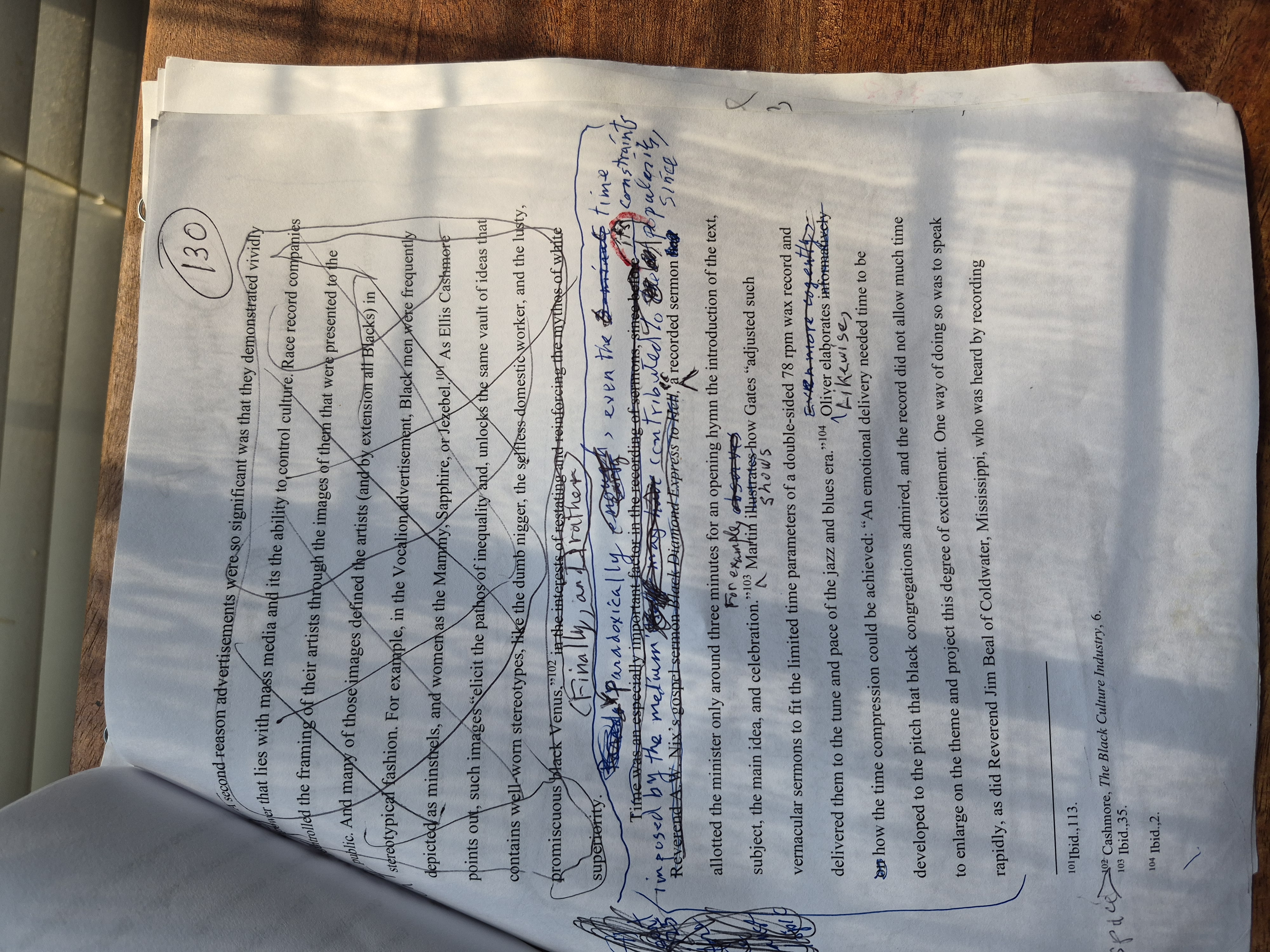
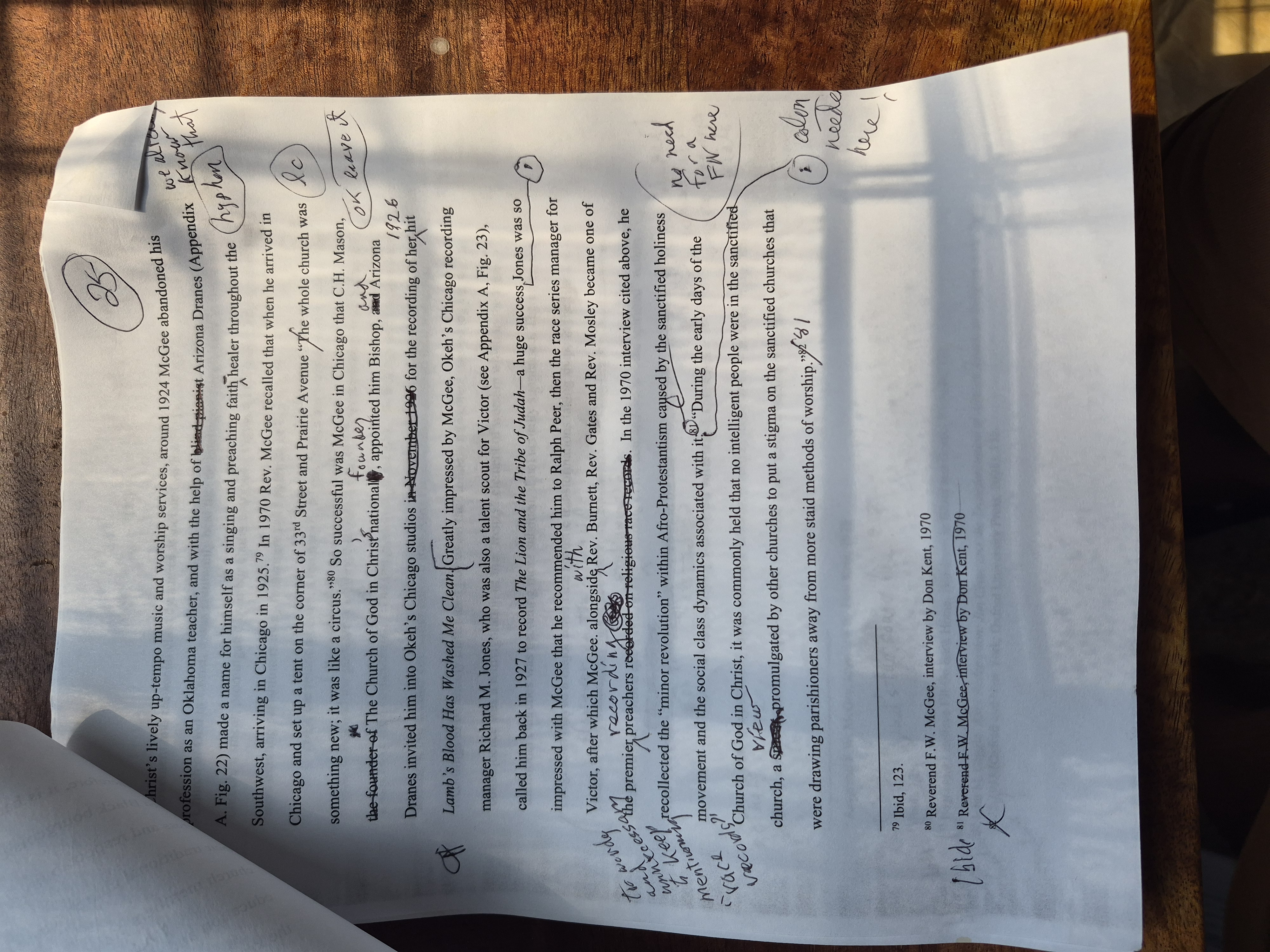
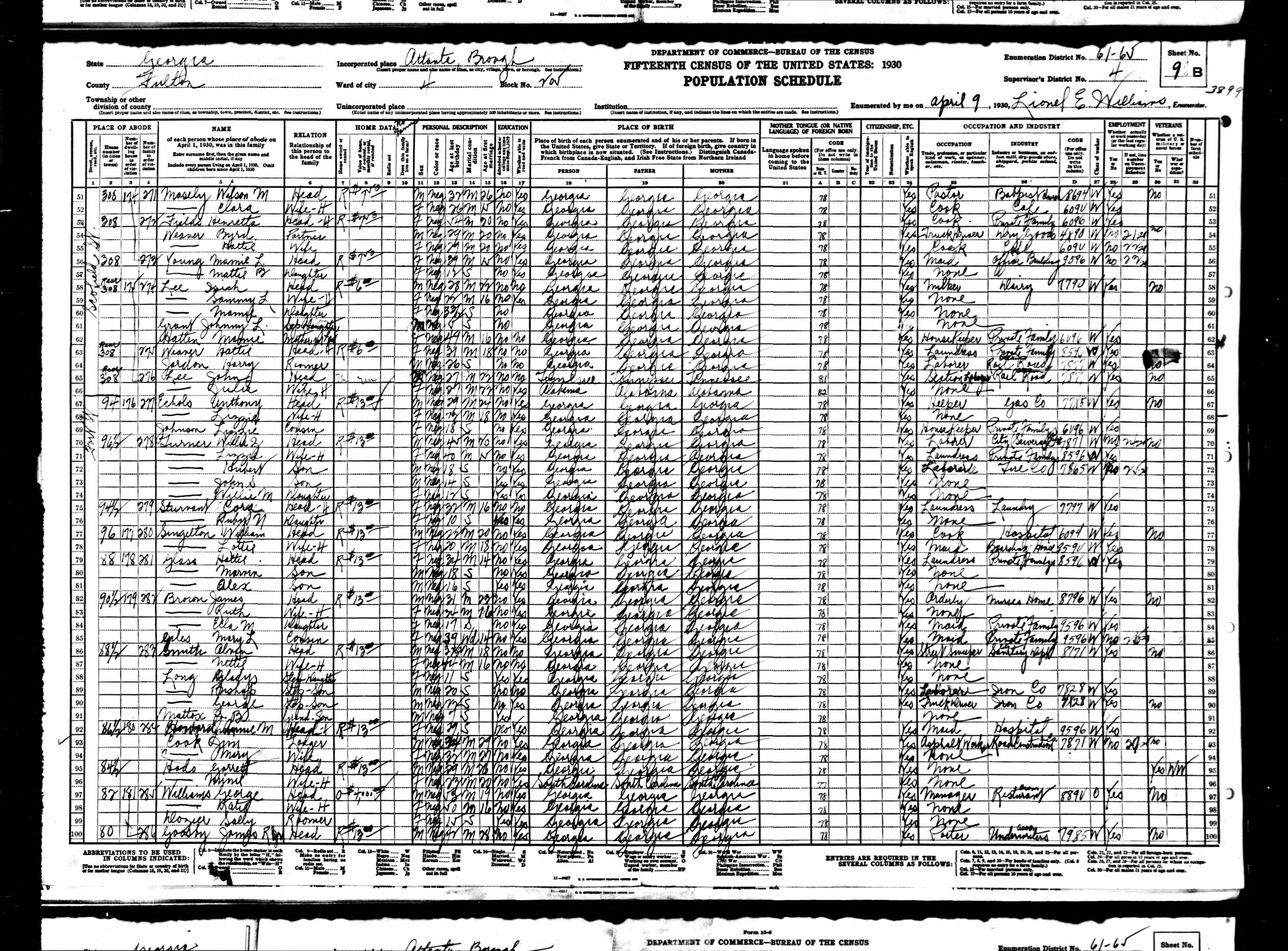
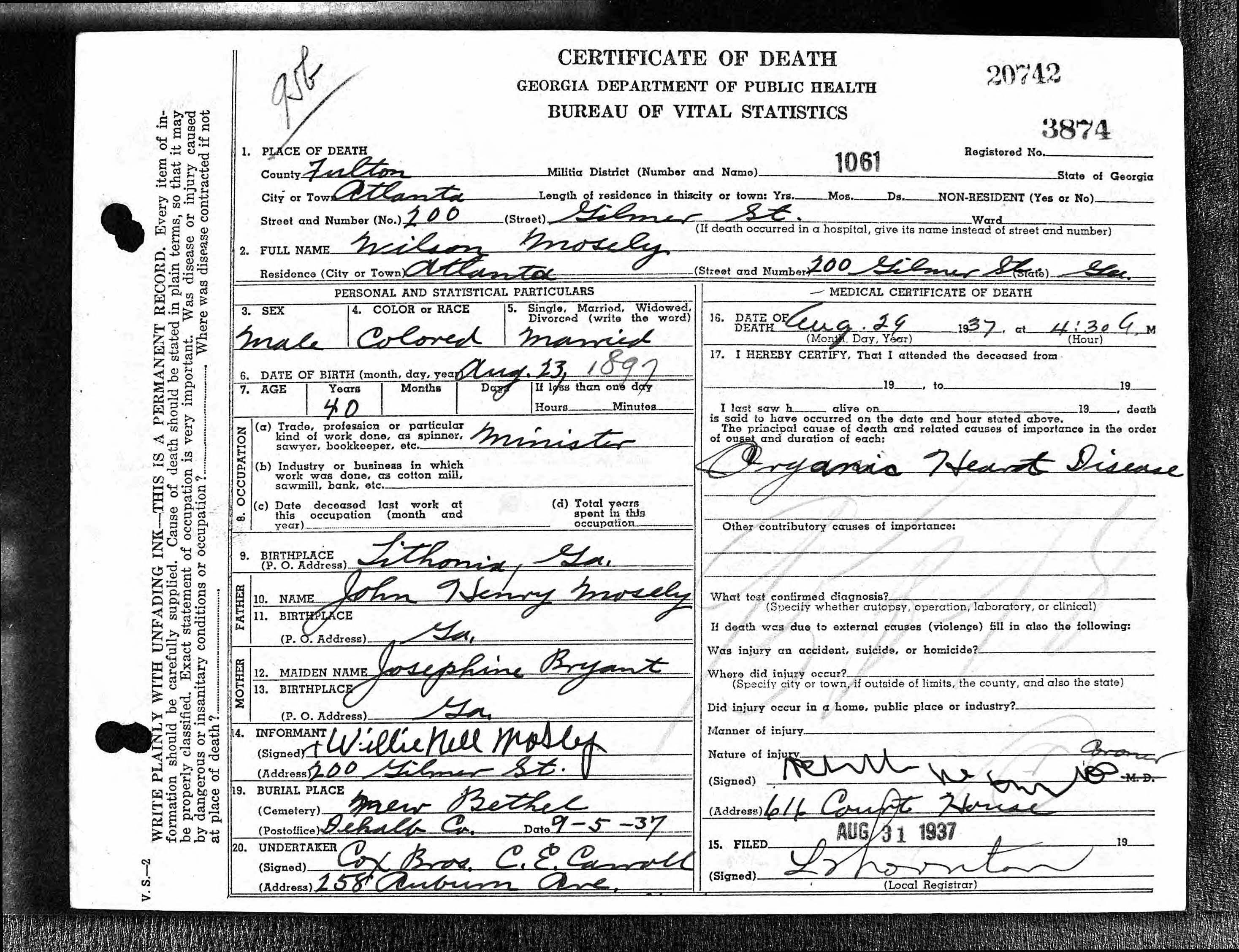
This curated behind the scenes snapshot of my dissertation process catalogs deep synthesis of primary cultural data, rigorous historiography and the meticulous intersection of cultural history and sociology--translating early 20th-century artifacts into a cohesive narrative, and marking a foundational contribution to the study of African American religious media.




Research Archive
The 78-RPM Audio Station
This curated repository features commercial recordings, sermons, blues, spirituals and related media that informed my dissertation research on African American religious sound, popular culture, and the early recording industry.